

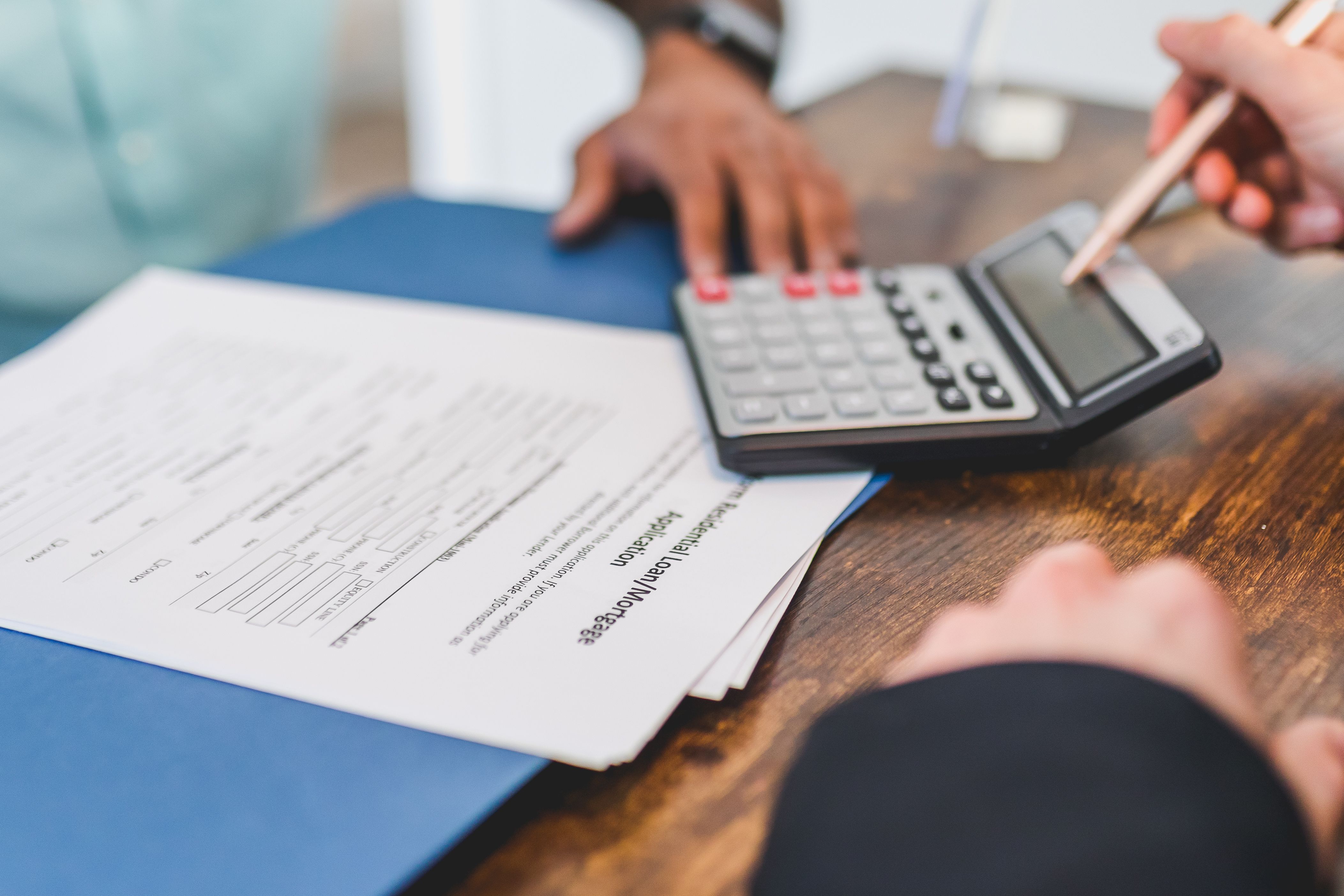
Picture this: it is a cold January morning in a mid-sized Ontario town. A bylaw officer, Sarah, parks her truck and walks to a property where a complaint has been filed about an untended yard. She snaps a photo, notes the violation, and writes a ticket by hand. Back at the office two hours later, she enters the details into a spreadsheet. The ticket goes in the mail, and the payment, if it ever arrives, will be manually recorded weeks later. Meanwhile, the town's finance team struggles to reconcile small amounts from hundreds of tickets, and council asks for a report on enforcement revenue that no one can produce quickly.
This scenario is familiar to many Canadian municipalities. A bylaw officer mobile app Canada can change it. Instead of paper and spreadsheets, a mobile app lets officers issue digital tickets on the spot, sync data in real time, and connect directly to the municipality's accounting system. For accounting firms, municipal finance teams, and small business owners who manage or audit these processes, the move to mobile is not just about convenience. It is about accuracy, revenue assurance, and transparency.
Why Bylaw Enforcement Needs a Mobile Upgrade
Traditional bylaw enforcement relies on paper forms, manual data entry, and separate payment workflows. The consequences are predictable: lost tickets, delayed payments, data entry errors, and weak audit trails. For a municipality, each missed ticket or misrecorded payment means lost revenue. For a bookkeeper or accountant, reconciling enforcement revenue against property tax or utility accounts becomes a headache. The process is slow and prone to gaps.
Consider the lifecycle of a typical bylaw ticket. Officer writes the ticket, usually by hand, and leaves a copy. Back at the office, someone transcribes the details into a system. The ticket is mailed or delivered. The recipient may pay in person, by cheque, or online. That payment then needs to be matched to the ticket. If the ticket was entered incorrectly, the match fails. If the ticket was lost, there is no record at all. The whole chain is fragile.
A mobile app eliminates the paper handoff. The officer enters the violation, captures photos, and issues a digital ticket. The data flows directly into the municipality's enforcement management or accounting platform. Payments can be linked automatically. The audit trail records who issued the ticket, when, and any changes. For Canadian municipalities, this also means the enforcement data can feed into property tax or utility billing systems, especially when the fine relates to a property.
What to Look for in a Bylaw Officer Mobile App
Not all mobile apps are built for Canadian municipal workflows. Here are the features that matter.
Real-Time Sync
The app must sync data instantly with the back-office system. When an officer issues a ticket, the finance team should see it within seconds. No batch uploads at the end of the day. Real-time sync reduces errors and speeds up the payment cycle.
Offline Mode
Field officers often work in areas with spotty cell coverage. The app should allow them to capture violations offline, store data locally, and sync automatically when connectivity returns.
Photo and Evidence Capture
Bylaw enforcement often requires documentation. The app should let officers take photos, record notes, and attach files directly to the ticket. This helps with disputes and provides clear evidence for council reports.
Integration with Municipal Systems
A mobile app that operates in a silo is not helpful. It must integrate with the municipality's accounting, property tax, utility billing, and reporting systems. For many Canadian municipalities, using the same platform for enforcement and finance is the cleanest approach.
Payment Processing
The ticket should include payment options. The app can generate a secure payment link or QR code, enabling the recipient to pay online immediately. This increases the likelihood of timely payment and reduces administrative follow-up.
Audit Trail and Reporting
Every action should be logged: who issued the ticket, what changes were made, when the payment was received. Reports on enforcement activity, revenue, and outstanding tickets should be available on demand for council, auditors, or the finance department.
How Awditify Addresses Bylaw Enforcement Needs
Awditify is built for Canadian municipal finance. While many mobile enforcement apps focus solely on ticketing, Awditify connects enforcement data directly to your accounting, property tax, and utility billing modules. This means the ticket you issue in the field is a transaction ready for reconciliation, not a piece of paper that needs manual entry.
Here is how it works in practice. A bylaw officer opens the Awditify mobile app on a tablet or phone. They select the violation type, enter the property details (auto-populated from the property tax roll if integrated), take a photo, and issue the ticket. The ticket amount is calculated based on preset fee schedules. The recipient receives a digital copy with a link to pay via Awditify's secure payment portal. The finance team sees the ticket in real time, and the revenue is automatically recorded in the general ledger. No rekeying, no lost slips.
Awditify's AI transaction categorization further automates the work. If a payment comes in for a ticket, the AI can match it to the correct enforcement account based on the remittance details. This reduces the time finance staff spend reconciling small transactions. For municipalities that manage hundreds of tickets per year, the savings add up quickly.
The platform also supports PSAB-compliant revenue recognition. Under Canadian public sector accounting standards, enforcement fines must be recorded in the correct period. Awditify ensures that ticket revenue is recognized when the ticket is issued (if collectible) or when payment is received, depending on your policy. The system generates the necessary journal entries and audit trails.
For accounting firms that audit municipal financial statements, Awditify provides a clear, auditable trail from ticket issuance to payment. No more digging through paper files or spreadsheets. The whole lifecycle is visible in one platform.
Implementation Considerations for Canadian Municipalities
Moving to a mobile bylaw enforcement system involves more than just choosing an app. Here are the key considerations.
Data Privacy and Security
Bylaw tickets contain personal information: name, address, vehicle details, photos. Municipalities must comply with provincial privacy laws, such as Ontario's Municipal Freedom of Information and Protection of Privacy Act (MFIPPA). The app should encrypt data in transit and at rest, and allow role-based access controls. Awditify meets Canadian security standards and provides granular permissions.
Integration with Existing Systems
If your municipality already uses an ERP for property tax and utility billing, the mobile app must integrate with it. Awditify is an all-in-one platform that covers property tax, utility billing, enforcement, and general ledger. There is no need to maintain multiple databases. However, if you have legacy systems, Awditify offers API integrations to connect enforcement data to your existing ERP.
Training and Change Management
Officers accustomed to paper may resist change. Provide clear training on the app, and emphasize the benefits: less time writing reports, faster payments, fewer disputes. Start with a pilot in one enforcement area, then roll out gradually.
Cost vs. Savings
The upfront cost of a mobile app and associated platform is offset by reduced administrative labor, faster payment collection, and fewer data errors. For a municipality issuing 200 tickets per year, even a small reduction in data entry time and payment delays can justify the investment. With Awditify, the cost is transparent through subscription pricing that scales with your community size.
PSAB Compliance
Canadian municipalities must follow PSAB standards for revenue recognition, particularly PS 3400 for revenue. A bylaw enforcement system that automates revenue recognition and provides a complete audit trail helps your finance team stay compliant. Awditify is designed with PSAB in mind.
Real-World Scenario: A Medium-Sized Town in Ontario
Let us look at a concrete example. A town of 30,000 residents has a bylaw department with three officers. They issue about 400 tickets annually for parking, property standards, and noise complaints. Previously, everything was paper-based. Each ticket required 15 minutes of back-office data entry and follow-up. The average payment took 45 days from ticket issuance. About 10 percent of tickets had errors that required reissuing. The finance team spent 10 hours per month reconciling enforcement payments.
After adopting Awditify, the process changed. Officers now use the mobile app from their phones. Ticket issuance takes under two minutes. Data syncs automatically. Payments are processed online, and the average collection time dropped to 15 days. Error rates fell to near zero because the app enforces data validation. The finance team now spends two hours per month on enforcement reconciliation. The town also gained real-time visibility into enforcement revenue, which helps with budget forecasting.
The table below summarizes the before-and-after comparison.
| Metric | Before (Paper) | After (Awditify Mobile App) |
|---|---|---|
| Ticket issuance time | 10 minutes | 2 minutes |
| Back-office data entry | 15 min per ticket | Automated |
| Average payment collection | 45 days | 15 days |
| Ticket error rate | 10% | <1% |
| Monthly reconciliation hours | 10 hours | 2 hours |
| Real-time revenue reporting | Not available | Instant |
Frequently Asked Questions
What is a bylaw officer mobile app?
A bylaw officer mobile app is a smartphone or tablet application that allows bylaw enforcement officers to issue tickets, capture evidence, and record violations directly from the field. The app syncs data with the municipality's back-office system, eliminating paper forms and manual data entry. In Canada, these apps are often integrated with property tax and utility billing systems to streamline enforcement and financial management.
How does a mobile app improve bylaw enforcement?
It reduces data entry errors, speeds up ticket issuance, and accelerates payment collection. Officers can issue a digital ticket in minutes, and the recipient receives a payment link immediately. This cuts down on administrative overhead and improves the accuracy of enforcement records. For municipalities, it also provides better tracking of revenue and outstanding tickets.
Can a bylaw officer mobile app integrate with my municipality's existing accounting system?
Yes, but integration requirements vary. Awditify offers an all-in-one platform that includes enforcement, property tax, utility billing, and general ledger in one system. If you use a different accounting system, Awditify can integrate via APIs. The key is to choose a mobile app that supports the necessary data exchange to avoid double entry.
What about PSAB compliance and audit trails?
Awditify is designed to meet PSAB standards for revenue recognition. Every ticket, payment, and adjustment is logged with timestamps and user IDs. This provides a complete audit trail for external auditors and internal reviews. The system automatically generates journal entries to record enforcement revenue in the correct fiscal period.
How much does a bylaw officer mobile app cost for Canadian municipalities?
Cost depends on the number of users, features, and integration needs. Awditify offers transparent subscription pricing based on community size. For a medium-sized town, the monthly cost is comparable to what you would spend on paper supplies and manual data entry labor. Contact Awditify for a customized quote.
What to Do Next
If your municipality is still using paper tickets and spreadsheets for bylaw enforcement, the case for a mobile app is clear: faster collections, fewer errors, and better data. But the app is only as good as the system it connects to. Awditify provides a unified platform that links enforcement directly to property tax, utility billing, and accounting. That means every ticket you issue is already a clean financial transaction, ready for reporting and audit.
Start by reviewing your current enforcement workflow. Identify the pain points: data entry bottlenecks, payment delays, reporting gaps. Then schedule a demo of Awditify to see how the mobile enforcement module works in practice. You can also explore the features page to understand the full scope of what Awditify can do, or check our pricing for community-specific rates. For municipalities that need a complete solution, the municipal page outlines how Awditify handles property tax, utility billing, and enforcement together.
The move from paper to mobile does not have to be complicated. With the right platform, it can be surprisingly simple.

Discussion
Comments