

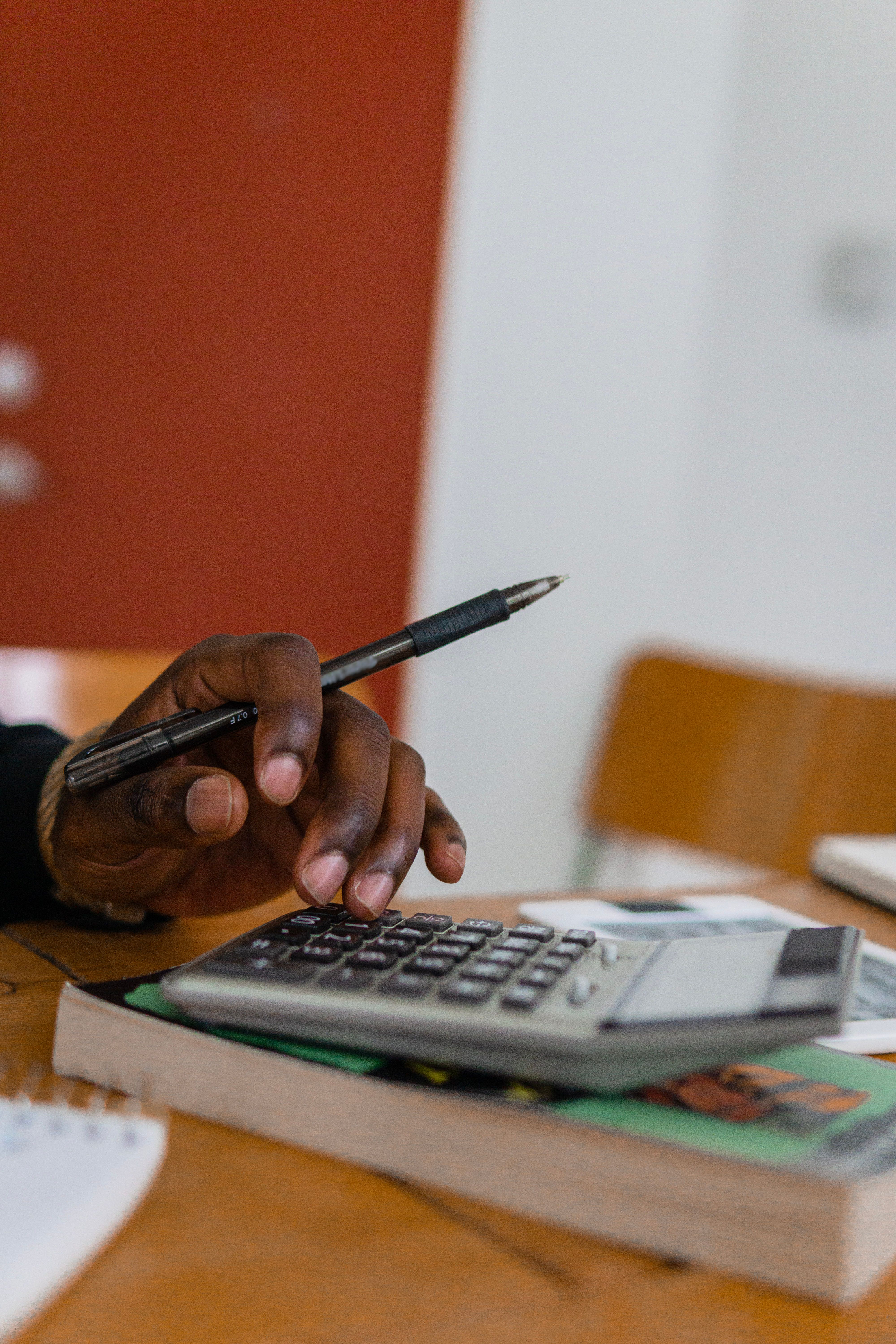
You are wrapping up a busy tax season. One client calls to say their GST/HST return was filed late because of a miscalculation in your office. Now they face penalties and interest. They hint at a lawsuit. This is the moment errors and omissions insurance for Canadian CPAs becomes more than a line item on your balance sheet. It is the safety net that keeps your firm from collapsing under a professional liability claim.
Errors and omissions insurance (E&O) covers claims that a CPA made a mistake or failed to perform a professional duty. In Canada, where provincial regulatory bodies like CPA Ontario and CPABC require members to carry minimum coverage, understanding E&O is not optional. This guide explains what E&O covers, how premiums are set, and how you can lower your risk through careful practice management.
What Is Errors and Omissions Insurance for CPAs?
Errors and omissions insurance is a type of professional liability insurance. It protects accounting firms and individual CPAs from claims that a client suffered financial loss because of a professional error, omission, or negligent act. The policy typically covers defense costs, settlements, and judgments up to the policy limit.
Canadian CPAs face unique exposures. Provincial institutes mandate minimum coverage amounts. For example, CPA Ontario requires at least $1 million per claim for firms providing public accounting services. The coverage must be maintained continuously, even after retirement, to cover past work.
What Is Typically Covered?
- Mistakes in preparing financial statements or tax returns
- Missed filing deadlines leading to penalties
- Incorrect advice on tax planning or business structure
- Failure to detect fraud during an audit
- Errors in payroll calculations or remittances
- Breach of confidentiality (accidental disclosure)
What Is Not Covered?
E&O insurance does not cover intentional wrongdoing, fraud by the CPA, or claims arising from dishonest acts. It also excludes property damage, bodily injury, and general business risks like employee disputes.
Why Canadian CPAs Need E&O Insurance
Canada's regulatory environment leaves little room for uninsured practice. Provincial CPA bodies mandate coverage for public accounting. But even if you work in industry or government, E&O insurance protects your personal assets. A single claim can wipe out years of savings.
Common claims scenarios include:
- Missed CRA deadlines: A client fails to file on time because your team did not track the due date. The CRA assesses penalties and interest. The client sues for the extra cost.
- GST/HST errors: You calculate net tax incorrectly, and the client later faces a reassessment. Even honest mistakes can trigger claims.
- Payroll remittance mistakes: You under-remit CPP, EI, or income tax. The CRA holds the client responsible. Legal fees add up fast.
- Advice gone wrong: You recommend a tax strategy that CRA later disallows. The client blames you for the resulting tax and penalties.
| Factor | Impact on Premium |
|---|---|
| Firm size (number of CPAs) | Larger firms pay more because of higher exposure |
| Revenue | Higher billings mean more at stake |
| Practice areas | Audit, tax, and certain industries (e.g., real estate) increase risk |
| Claims history | Prior claims raise premiums significantly |
| Coverage limits | Higher limits increase cost |
| Deductible | Higher deductible lowers premium |
| Risk management practices | Formal training and quality control can reduce premiums |
How Much Does E&O Insurance Cost for Canadian CPAs?
Premiums vary widely. A solo practitioner may pay $1,500 to $4,000 per year for a $1 million policy. A mid-sized firm with ten CPAs might pay $15,000 to $40,000. Large firms with audit practices can face premiums over $100,000.
Key factors shown in the table above include industry specialization, claims history, and the firm's risk management culture. Insurers ask detailed questions about your engagement acceptance procedures, documentation standards, and review processes. A firm that can demonstrate strong internal controls may negotiate lower rates.
How to Lower Your E&O Risk Through Better Practices
Insurance is a backstop. The best strategy is to prevent errors before they happen. That means tightening your workflow, improving communication with clients, and using technology to reduce manual mistakes.
Consider a typical manual workflow: a client sends receipts by email, your admin enters them into a spreadsheet, you reconcile bank accounts by hand, and you prepare a tax return using a generic software package. Every handoff introduces error risk. A missed email, a transposed digit, a forgotten entry.
Now consider an automated workflow with a platform like Awditify. Bank feeds connect directly to your accounting records. Receipts are scanned with OCR and categorized using AI. Payroll calculations run automatically with updated CPP, EI, and income tax rates. GST/HST tracking is built into each transaction. The audit trail records every change. The result is fewer data entry errors, better compliance, and a defensible file if a client ever questions your work.
Manual vs Automated Workflow Comparison
Manual: Client emails PDF receipts. Admin manually enters amounts into a spreadsheet. When reconciling, the CPA finds a missing receipt. She calls the client, who does not remember. The return is filed with an estimate. Later, CRA assesses a penalty for underreporting. The client holds the firm responsible.
Automated: Client uploads receipts to Awditify's client portal. The OCR engine captures data. AI matches receipts to bank transactions. The CPA reviews flagged exceptions, makes adjustments, and files the return using pre-populated forms. The entire workflow is documented. The client portal provides instant communication and file sharing. Errors are caught early.
Real-World Scenario: The Ontario Contractor
A two-partner CPA firm in Ontario serves a 12-person construction company. The firm processes payroll weekly and files quarterly GST/HST returns. The managing partner is distracted by a family emergency. Her assistant miscalculates the HST remittance for Q2, underreporting by $12,000. The error is not caught until CRA sends a notice of reassessment nine months later. The client faces penalties and interest of $3,500. The client's lawyer sends a demand letter citing the firm's negligence.
The firm's E&O policy covers defense costs and the settlement. The deductible is $5,000. The claim takes 18 months to resolve. Legal fees alone exceed $20,000. The premium triples at renewal. The partners realize that a stronger internal review process and better software could have prevented the error.
If the firm had used Awditify, the GST/HST report would have been generated automatically from coded transactions. The system would have flagged the discrepancy between the calculated amount and the prior quarter's pattern. A second partner would have reviewed the return through the practice management dashboard before filing. The error would never have reached CRA.
Frequently Asked Questions About Errors and Omissions Insurance for Canadian CPAs
What does errors and omissions insurance cover for CPAs in Canada?
It covers claims of professional negligence, including mistakes in tax returns, financial statements, payroll, and advice. It pays for legal defense, settlements, and judgments up to your policy limit. It does not cover intentional fraud or non-professional activities.
Is E&O insurance mandatory for Canadian CPAs?
Yes, if you provide public accounting services, provincial CPA bodies require minimum coverage. For example, CPA Ontario mandates $1 million per claim for firms. Even if not mandatory, carrying E&O is strongly recommended to protect personal assets.
How much does E&O insurance cost for a Canadian CPA firm?
Costs vary from about $1,500 per year for a sole practitioner to over $100,000 for large firms. Factors include firm size, revenue, claims history, practice areas, and risk management practices. Working with a broker who specializes in CPA insurance is advisable.
What software can help reduce E&O risk for CPAs?
A platform like Awditify reduces risk by automating bank feeds, receipt scanning, payroll calculations, and GST/HST tracking. Its AI transaction categorization minimizes manual errors, and the audit trail provides clear documentation for any file. Integrated practice management ensures no deadlines are missed.
Can Awditify help me document my workflow for insurance purposes?
Yes. Awditify maintains a complete audit trail of all changes, user actions, and client communications. This documentation can be invaluable in defending against a claim, showing that you followed proper procedures. The client portal also provides a secure record of file exchanges.
What to Do Next
Errors and omissions insurance is essential for Canadian CPAs, but it should never be your only line of defense. The most effective risk management combines proper coverage with rigorous internal processes and modern technology. By reducing manual errors, improving documentation, and automating compliance tasks, you can lower your claims risk and potentially reduce your insurance premiums.
If you are ready to strengthen your firm's workflow, consider how Awditify can help. Its Canadian-built platform includes AI-powered bank feeds, payroll, GST/HST tracking, invoicing with e-signature, and a secure client portal. See how it can fit into your practice by booking a demo today.



Discussion
Comments